How Green Pest Control Services Reduce Chemical Exposure
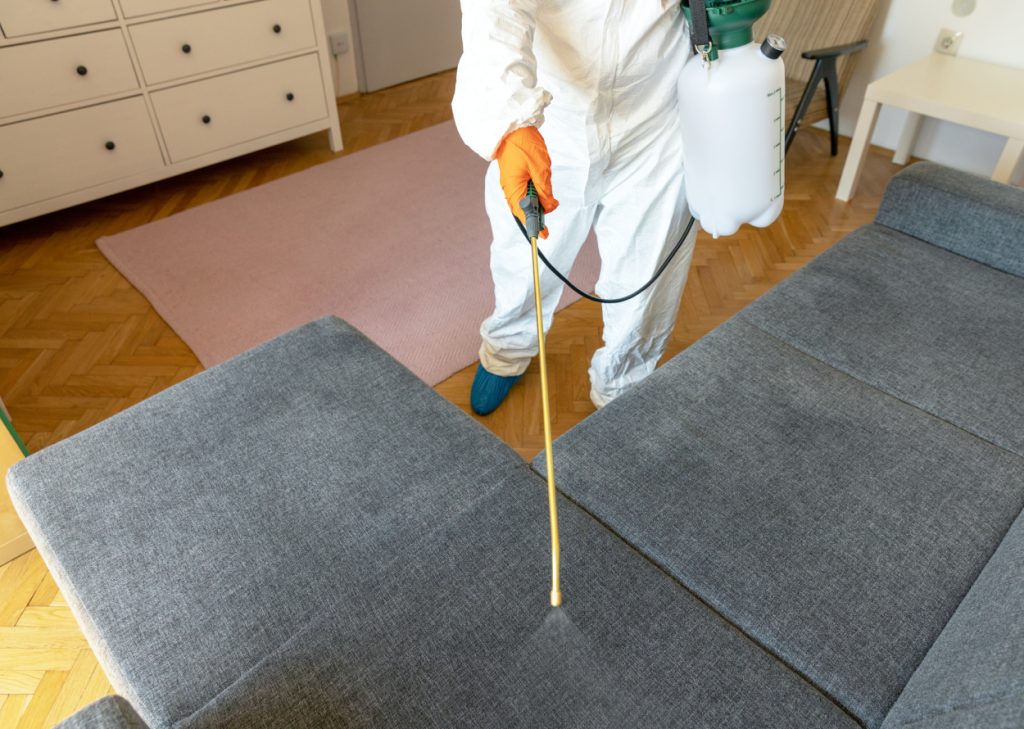
Chemical exposure is one of the quiet concerns behind most pest problems. People usually call for help because they see ants in the kitchen, roaches in a break room, or mosquitoes taking over the yard. What they often want, though, is not just pest removal. They want relief without filling the air, floors, fabrics, and surfaces around them with harsh residues.
That is where green Pest Control Services have earned real attention. When they are done well, they lower chemical exposure by changing both the products used and the way pest problems are approached. The difference is not cosmetic. It affects indoor air quality, residue levels on surfaces, the risk of accidental contact, and the frequency of repeat applications.
The best green programs are not soft on pests. They are simply more disciplined. Instead of starting with the strongest broad-spectrum treatment available, they begin by asking why the infestation took hold in the first place. That shift matters. It leads to targeted action, fewer unnecessary applications, and a cleaner living or working environment overall.
The old model relied on saturation
For years, conventional pest control often followed a fairly blunt pattern. A technician identified a pest, applied a pesticide in the affected area, and often treated surrounding spaces as a precaution. In some settings that meant baseboards, cracks, utility entry points, exterior perimeters, and even broad indoor surfaces. The assumption was simple: more coverage meant better protection.
Sometimes that worked in the short term. It also meant more chemical contact points for the people using the space every day.
In practical terms, chemical exposure does not come only from direct spraying. It can happen when residues settle on floors where children crawl, on pet bedding near a treated wall, on countertops that need extra cleaning before food prep, or in dust that circulates through the home after an application. In commercial spaces, exposure concerns can extend to employees with respiratory sensitivities, customers in waiting areas, and cleaning crews who repeatedly contact treated surfaces.
A greener service model tries to interrupt that cycle. It treats pesticide use as one tool among several, not the entire plan.
What “green” actually means in pest control
The term gets stretched, so it helps to be specific. Green pest control does not mean zero intervention and it does not mean every product is harmless. Any substance strong enough to affect a pest deserves respect. A responsible provider will say that plainly.
What makes a service green is the framework behind it. Most reputable programs rely on integrated pest management, often shortened to IPM. In field practice, that means reducing the conditions pests need to survive, monitoring activity carefully, and using the least hazardous effective treatment only when necessary.
That sounds straightforward, but in real life it changes a lot. A technician working under a green program is more likely to inspect moisture sources, identify food access, recommend sealing entry gaps, place targeted baits in protected locations, and monitor activity over time. A technician working under a purely chemical model may move faster to blanket applications because that is the service structure.
This distinction matters because every unnecessary treatment adds another chance for exposure.
Fewer chemicals start with better diagnosis
One of the biggest reasons green Pest Control Services reduce chemical exposure is that they spend more effort on identification and inspection. That may seem like a small procedural detail, but it changes the outcome.
I have seen homeowners describe every small crawling insect as an ant problem when the issue was actually springtails coming in through damp window frames. I have seen people treat pantry moths as if they were general kitchen pests, spraying cabinets repeatedly while the real source sat untouched in a forgotten bag of birdseed. In both cases, broad treatment added chemicals but did not solve the problem.
Accurate diagnosis narrows the response. If the pest is feeding in one hidden void, breeding in a floor drain, or entering through one damaged door sweep, the treatment can be concentrated there. You avoid the common mistake of treating large areas “just in case.” That is one of the simplest and most important ways exposure drops.
Good diagnosis also prevents product stacking. That happens when multiple treatments are applied because the first one failed for the wrong reason. The pest was misidentified, the source was never removed, or the entry https://andresmtzg806.quantlynix.com/posts/how-to-compare-pest-control-services-before-you-hire route stayed open. Green methods reduce that waste.
Exclusion and sanitation do the work chemicals cannot
Pesticides can kill active pests. They cannot fix the conditions that invited them in.
A building with a gap under the back door will keep getting crickets, spiders, and occasional roaches from outside. A break room with crumbs behind a vending machine will continue to support ants. A basement with chronic moisture will remain attractive to silverfish and other moisture-loving insects. No product, green or otherwise, replaces structural correction and cleaning.
This is one of the least glamorous parts of pest control, yet it is where exposure reduction often begins. If a provider seals utility penetrations, installs door sweeps, advises on food storage, corrects standing water problems, and helps the client reduce clutter around harborage zones, the pest population often drops enough that chemical intervention becomes minimal.
That has a compounding effect. You are not just avoiding one treatment. You are often preventing many future treatments.
A property manager I once spoke with described the difference after switching providers in a small multifamily building. The previous company sprayed common areas every month. The new one spent the first two visits documenting garbage room issues, pipe leaks, and wall gaps around plumbing chases. Within a few months, service calls dropped, and so did routine pesticide use. The residents noticed less odor, fewer notices about staying out of treated spaces, and fewer recurring sightings.
That pattern is common when the root causes are finally addressed.
Baits, gels, and precise placements reduce airborne and surface contact
Green pest control often favors formulations and placements that limit human contact. Instead of relying on wide-area sprays, technicians may use enclosed bait stations, crack-and-crevice treatments, insect growth regulators in specific hotspots, or gel baits placed in hidden locations.
That matters because exposure pathways change dramatically depending on application method.
A broadcast spray can leave residues across a relatively large area, especially if it is used along broad baseboard runs, around furniture edges, or across exterior zones where people and pets frequently pass. By contrast, a roach gel placed inside cabinet hinges, behind appliances, or within wall void access points targets pest movement with far less exposed surface area.
The same principle applies outdoors. A green-focused mosquito program may put more emphasis on source reduction, larval control in standing water, and vegetation management rather than repeated blanket fogging. Fogging has its place in severe situations, but it also creates more drift and more incidental contact than a carefully managed program built around breeding-site control.
Precision is one of the quiet strengths of greener service. Less product ends up where people breathe, touch, sit, sleep, or prepare food.
Lower-toxicity does not mean no-risk, but it often means lower overall burden
Some green providers use products with lower toxicity profiles, botanical active ingredients, microbial controls, soaps, oils, desiccant dusts, or reduced-risk synthetics approved for more sensitive settings. It is important not to romanticize these options. “Natural” is not a synonym for safe in every context. Essential-oil-based products, for example, can still irritate airways or trigger sensitivities in some people.
Still, when products are selected carefully and applied with restraint, the overall burden can be lower. That burden includes the amount used, the persistence of residue, the likelihood of volatilization, and the chance that people or pets will come into direct contact with the treatment.
One practical example is the use of borate or silica-based dusts in inaccessible wall voids for certain crawling insects. When applied correctly in dry, protected spaces, they can remain effective for long periods without repeated surface spraying. The caveat is important: overapplication is a mistake. Dust that is visible, drifting, or left where it can be disturbed is not good practice. But used correctly, these materials can reduce the need for frequent liquid treatments.
Green service is not a promise that every ingredient is gentle. It is a commitment to reducing total chemical pressure while maintaining control.
Sensitive households benefit the most
The question of exposure becomes more urgent in homes with children, pregnant occupants, older adults, pets, or anyone with asthma, allergies, or chemical sensitivities. In these environments, even routine applications can create stress if residents are unsure where residues are left or how long treated surfaces remain a concern.
Green Pest Control Services tend to handle these situations with more planning. They are more likely to ask about sleeping areas, feeding areas, pet habits, floor time for infants, and rooms that require extra caution. They may shift to baiting over spraying, apply treatments only in inaccessible zones, or schedule service around occupancy patterns to reduce disruption.
This is not just about health perception. It is also about behavior. If people feel uneasy about treatment, they may overclean, wipe away products prematurely, or avoid needed pest control entirely until the infestation worsens. A greener strategy often improves cooperation because the process feels more transparent and manageable.
That can be especially important in childcare settings, schools, clinics, and food businesses where public trust matters as much as technical performance.
The role of monitoring in reducing repeat exposure
Monitoring is one of the most underappreciated tools in green pest control. Sticky traps, insect monitors, follow-up inspections, and documented pest activity patterns may seem less dramatic than a spray treatment, but they are what allow a technician to treat only when needed.
Without monitoring, pest control becomes guesswork. A client reports seeing “a few bugs,” and the response is a routine application. With monitoring, the provider can determine whether activity is isolated, seasonal, declining, or concentrated in one zone. That often means less treatment, better timing, and fewer unnecessary callbacks.
In commercial work, this can make a substantial difference. A restaurant with monitors behind prep equipment, near drains, and in storage can identify whether the issue is drain flies, stored-product pests, or occasional invaders. Each calls for a different response. If you skip that diagnostic layer, you often end up using more chemicals than the problem warrants.
Monitoring also helps verify when nonchemical changes are working. If trap counts fall after improved sanitation and exclusion, there is less pressure to apply additional product. That is a direct exposure reduction.
Green service is not always the fastest route to visible results
There is a trade-off worth discussing honestly. Some infestations respond more quickly to aggressive chemical treatment than to a layered green approach. Heavy German cockroach infestations, widespread bed bug problems, or severe pantry pest issues can require repeated interventions, strict preparation, and a combination of methods.
In those cases, green pest control still reduces exposure by emphasizing precision and necessity, but it may not look minimal to the client. There may still be pesticides involved. The difference is that they are usually selected and placed more strategically.
This is why a good provider does not market green service as magic. They explain that the goal is effective control with the least hazardous reasonable approach, not a rigid refusal to use stronger tools when conditions truly demand them.
That honesty matters. Overpromising creates distrust and can push clients back toward companies that sell simplistic “one treatment fixes all” messaging. In practice, the best green technicians are flexible, evidence-driven, and conservative with product use, not ideological.
What a genuinely green service usually does differently
If you are comparing providers, certain habits tend to separate meaningful green programs from marketing language.
- They inspect before treating and explain what they found.
- They discuss moisture, food sources, clutter, and entry points, not just products.
- They use targeted placements such as baits, void treatments, and enclosed stations when appropriate.
- They document pest activity and recommend follow-up based on evidence.
- They answer product questions clearly, including where materials are applied and why.
A company that skips straight to routine spraying without much inspection may still use a few lower-toxicity products, but that alone does not make the overall service green.
Where green pest control has limits
There are situations where chemical exposure cannot be reduced as much as clients hope. Some structural conditions are too severe, some infestations are too advanced, and some environments are too complex for a light-touch approach.
A neglected apartment unit with extensive roach harborage inside walls, under appliances, and in cluttered storage may require more product than a tidy single-family home with an early-stage issue. A warehouse with constant door traffic and poor sanitation may need ongoing treatment until operational changes catch up. Outdoor mosquito pressure near heavy vegetation and unmanaged standing water on neighboring properties can also limit how lean a program can be.
Weather plays a role too. Wet seasons can intensify ant and mosquito activity. Drought can drive rodents indoors. Construction nearby can displace pests suddenly. A green provider still adapts to these pressures, but the service may become more active for a period.
The key point is that green service reduces avoidable exposure. It does not eliminate the reality that some pest problems are stubborn and require intervention.
Why communication matters almost as much as product choice
One of the strongest markers of a good green provider is clear communication. Clients should know what pest is being treated, where activity is concentrated, what nonchemical corrections are needed, what product type is being used if treatment is necessary, and what precautions make sense afterward.
This reduces a different kind of risk: informal overuse. When clients do not understand the professional plan, they often fill the gap with store-bought sprays, foggers, and repellents. That can create more exposure than the original problem, especially when products are layered carelessly in kitchens, bedrooms, or around pets.
I have seen homes where a professional used a modest amount of bait, then the resident added aerosol sprays every night because they were anxious about seeing one or two surviving insects. The sprays contaminated the bait placements, extended the infestation, and increased indoor chemical load. Better explanation up front could have prevented all of it.
Green pest control works best when the provider and client act as a team.
Questions worth asking before you hire
Not every company advertising eco-friendly service follows the same standards. Before hiring, it helps to ask a few direct questions.
- How do you decide when a pesticide application is necessary?
- Do you provide exclusion, sanitation, or moisture-control recommendations as part of service?
- What kinds of treatments do you typically use indoors for the pest I have?
- How do you reduce exposure for children, pets, or sensitive occupants?
- Do you monitor activity over time, or do you follow a fixed spray schedule?
The answers will tell you a lot. Specific, practical responses usually indicate a process-driven company. Vague reassurances often mean the green label is mostly branding.
The long-term value goes beyond exposure reduction
Lower chemical exposure is the headline benefit, but it is not the only one. Green Pest Control Services often produce more stable results over time because they deal with why pests are there. That means fewer flare-ups, fewer emergency treatments, and less money spent chasing the same issue month after month.
There is also a quality-of-life benefit that clients rarely mention until after the fact. Spaces simply feel easier to live in when pest control does not revolve around odor, residue, repeated re-entry instructions, and concern about treated surfaces. For businesses, there is less disruption to staff and customers. For homeowners, there is less tension around pets, children, and food areas.
When the system is working, pest control fades into the background, which is exactly where it belongs.
Green service does require patience and cooperation. You may need to repair screens, improve storage, dry out a crawl space, or accept that one carefully placed bait is more useful than three rounds of spray. But when those steps come together, the result is not just fewer pests. It is fewer chemicals in the places where people spend their lives.
That is the real promise of a well-run green program. It does not ask you to choose between control and caution. It gives you a smarter way to pursue both.
Affordable Pest Solutions LLC
Phone number: +19732299547
FAQ About Pest Control Services
How much does pest control charge?
For a standard 1,500-square-foot home, professional pest control charges generally average $100 to $300 for an initial visit, with ongoing monthly services running $40 to $75 per visit and one-time emergency exterminations costing $100 to $600, depending heavily on the specific pest and the severity of the infestation.
What is the hardest pest to get rid of?
Bed bugs are widely considered the hardest household pest to get rid of, closely followed by German cockroaches and subterranean termites.
What is included in a pest control service?
A standard pest control service includes a property inspection, targeted treatments, and prevention advice. It typically covers common pests like ants, spiders, and cockroaches, using sprays, baits, or traps.